
Clove
The dried flower bud that tastes hot and smells of every Indian festival kitchen. Clove is strong enough that one or two are all a pot of chai needs.
- Settles Kapha
- Settles Pitta
- Can raise Vata
How Ayurveda reads clove
- Rasa · taste
- Pungent, bitter (kaṭu, tikta)
- Guṇa · nature
- Light, unctuous (laghu, snigdha)
- Vīrya · potency
- Cooling (śīta)
- Vipāka · after digestion
- Pungent (kaṭu)
- Part used
- Flower bud, dried
Reviewed by the Vapika team.
In the tradition
Clove travelled to India from the Moluccas by the old spice routes, and was in Indian kitchens and medicine long before the Europeans came looking for it. Its Sanskrit name devakusuma, "flower of the gods", reflects how it was valued. In the classical lists it sits among the aromatic substances of the karpūrādi varga, beside camphor and cardamom.
How Ayurveda reads it
Clove is pungent and bitter, light and slightly unctuous, and, unusually for so hot a taste, cooling in potency in the classical reading. It is described as settling Kapha and Pitta.
In the Indian kitchen
Whole cloves in pulao and biryani, in garam masala, in the tadka for kadhi, and in the masala for chai. A clove is pressed into a paan, and chewed on its own after a meal.
How we use it
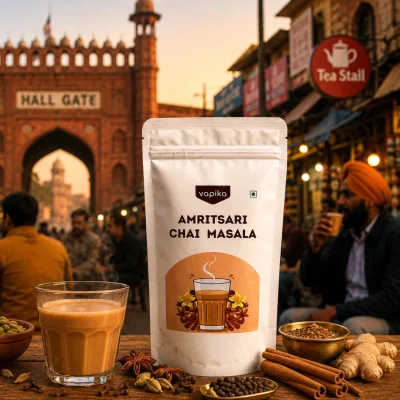
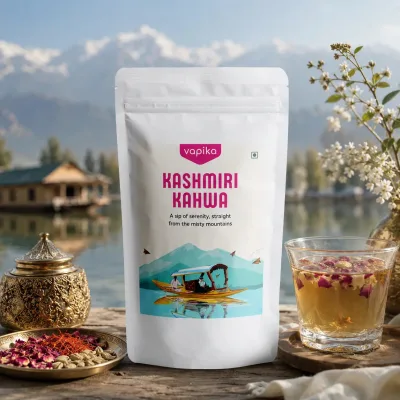
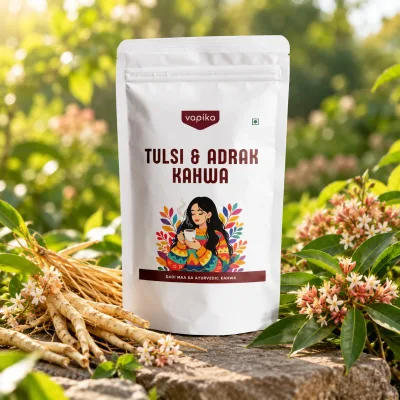
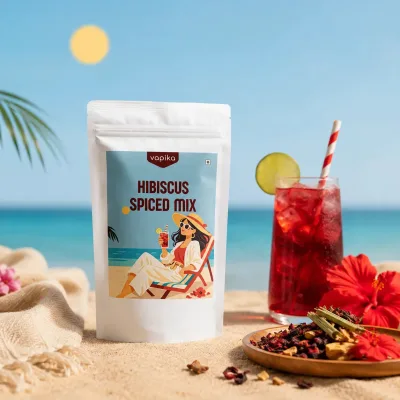
We use whole dried cloves, in small amounts, in our chai masala, kahwas and spiced teas. A single clove can dominate a cup, so we keep it in the background.


From the texts: Bhāvaprakāśa Nighaṇṭu, Karpūrādi varga.
For learning, not diagnosis. If you are pregnant, nursing or on medication, please speak to your doctor first.