
Pippali
The catkin of a creeping pepper vine, dried into a small, knobbly grey-black spike. Hotter and sweeter than black pepper, and India's original pepper.
- Settles Kapha
- Settles Vata
- Can raise Pitta
How Ayurveda reads pippali
- Rasa · taste
- Pungent (kaṭu)
- Guṇa · nature
- Light, unctuous, sharp (laghu, snigdha, tīkṣṇa)
- Vīrya · potency
- Not hot (anuṣṇa) when dried
- Vipāka · after digestion
- Sweet (madhura)
- Part used
- Fruit (catkin), dried
Reviewed by the Vapika team.
In the tradition
Long pepper was India's pepper before black pepper took over, and it was traded to Rome, where it cost more than black pepper. Its name Māgadhī ties it to Magadha, in today's Bihar. Pippalī is the root of the word "pepper" in English.
The texts give it two faces. Caraka describes a pippalī rasāyana in which the dose rises and falls over days, and in another chapter names pippalī among the few things not to be over-used. Both are part of its reading.
How Ayurveda reads it
Dried pippali is pungent, light, unctuous and sharp, yet not hot in potency and sweet after digestion: a gentler profile than its taste suggests. It is described as settling Kapha and Vata. It is one of the three herbs of trikatu.
In the Indian kitchen
Pippali has mostly left the kitchen, though it is still used in some Rajasthani and Bengali pickles and spice mixes, and the root, pippalāmūla, in some regional masalas.
How we use it
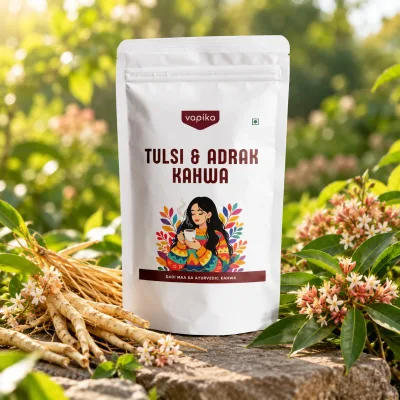
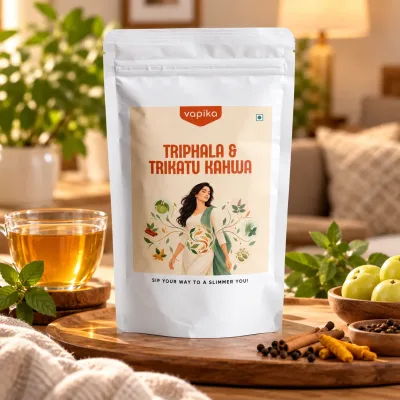
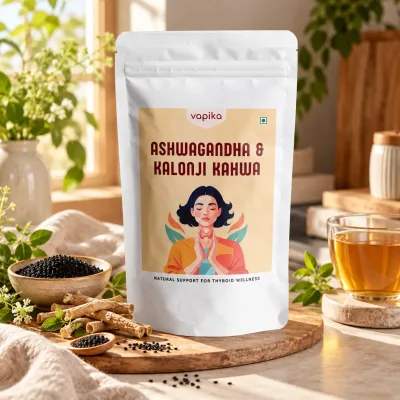
We use dried pippali in our Tulsi & Adrak Kahwa, and as part of the trikatu in our Garcinia & Trikatu and Ashwagandha & Trikatu kahwas.
From the texts: Caraka Saṃhitā, Vimānasthāna 1 (pippalī not to be over-used) and Cikitsāsthāna 1 (pippalī rasāyana); Bhāvaprakāśa Nighaṇṭu, Harītakyādi varga.
For learning, not diagnosis. If you are pregnant, nursing or on medication, please speak to your doctor first.